
Player Guides
Casino Closed-Loop Withdrawals: Why Money Returns to the Same Method
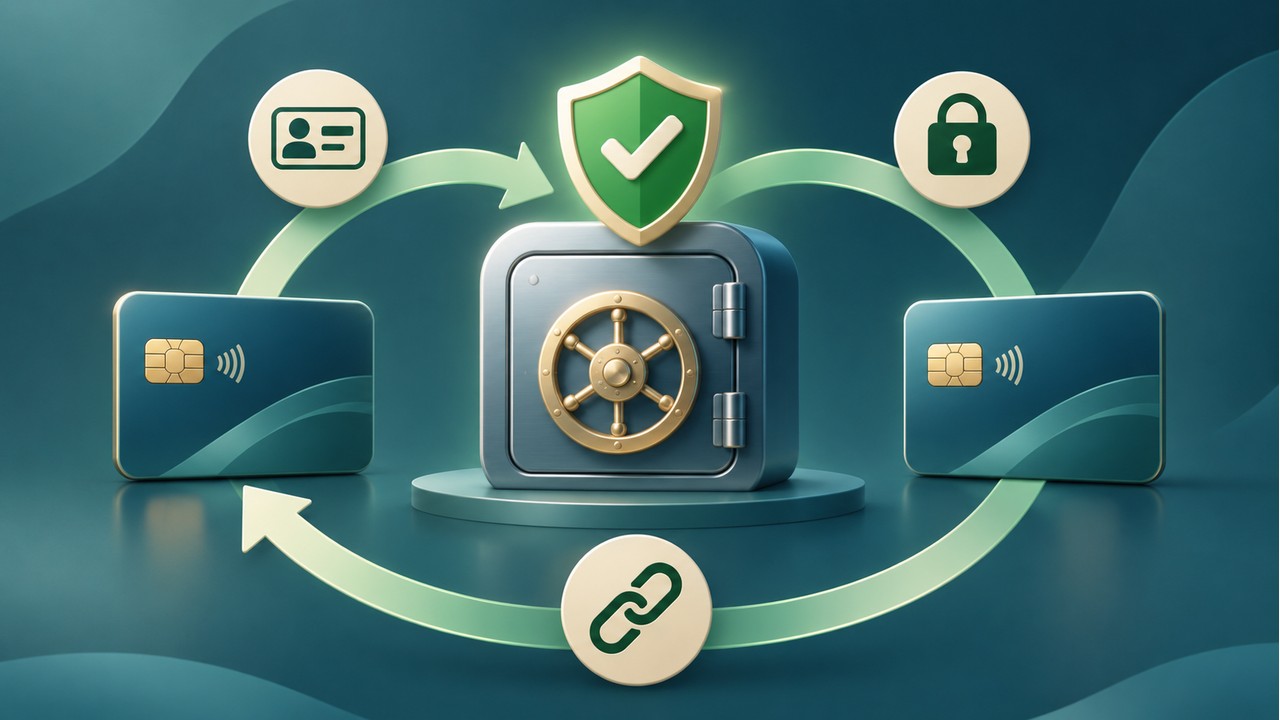
A casino may refuse to send a withdrawal to a new card, wallet or bank account even when the new method belongs to you. This is often called a closed-loop payment policy: money is returned to the method used to deposit, where that route can receive it. The policy is mainly about traceability and financial-crime controls, not a promise of instant payment.
What “closed loop” means
The UK Gambling Commission describes closed-loop payment systems as a best-practice control in which withdrawals and winnings go back to the same payment method used for the deposit. Open-loop payments let money enter by one route and leave by another, making the source and destination harder to trace.
Closed loop does not mean every casino follows one universal sequence. An operator may return deposits to the original method first and send remaining winnings by bank transfer. Some cards cannot receive certain credits. Wallets and bank-transfer systems also have different technical rules.
Read the casino's withdrawal terms before depositing. Check which methods can receive withdrawals, whether deposits are returned in a particular order, and what happens when a method expires or closes.
Why a new method can trigger checks
Changing the destination breaks the simple path between the depositor and recipient. The operator may need to confirm that both methods belong to the same person and understand why the original route is unavailable. That does not prove wrongdoing, but it can lead to additional verification.
Do not solve the problem by adding a small deposit from the new method unless the operator gives clear written instructions and the terms allow it. A new deposit can create another payment route, bonus condition or verification question. Never deposit with a friend or relative's card to unlock a withdrawal; our third-party payment guide explains the ownership risk.
When the original method is unavailable
If a card has expired or been replaced, first ask the card issuer whether credits to the old card number are automatically routed to the replacement account. If the underlying bank account has closed, obtain evidence of closure that does not expose unnecessary transaction data.
Tell the casino exactly what changed and ask which alternative it accepts. It may request a bank statement, card-expiry evidence or proof that the wallet belongs to you. Send documents only through the authenticated account or another verified channel. Our guide to withdrawals after a card expires covers that specific case in more detail.
Separate the payment route from the processing time
A closed-loop policy explains where money is meant to go, not how long every withdrawal should take. Pending time can include internal review, identity checks, payment processing and the receiving provider's own posting time.
Record the withdrawal reference, request time, amount, currency and stated method. Compare the operator's published timescale with the actual status. If the casino repeatedly asks for documents already accepted, changes the destination without explanation or demands an advance release fee, stop and preserve the messages. A legitimate withdrawal should not require a separate tax or release payment to an unknown account.
Check the full deposit history
Players who used several methods may see a withdrawal split between them. Build a simple list of deposits by method and amount. Do not include passwords or complete card numbers; the last four digits are normally enough for your own record.
If the operator shows a cash balance but a smaller withdrawable amount, first rule out open bets or bonus restrictions using our guide to cash, bonus and withdrawable balances. A payment-routing rule and a balance rule are different issues.
Complain with a precise requested outcome
If the operator will not explain the route or keeps rejecting an available verified method, submit a formal complaint. State which deposit method is unavailable, what evidence you supplied and which alternative you want the operator to consider. Ask for a written final response.
The correct escalation route depends on the licence and the nature of the dispute. A regulator may use reports for supervision without deciding an individual payment claim. An approved ADR provider may consider certain transactional disputes after the operator's complaint process. No route guarantees payment, so keep the timeline factual.
Do not cancel a withdrawal just to keep playing
Payment friction can tempt a player to reverse a pending withdrawal and return the balance to play. That changes the situation from a payment problem into new gambling risk. Leave the withdrawal in place while the route is clarified, and use a time-out or other limit if the delay is making it hard to stop.